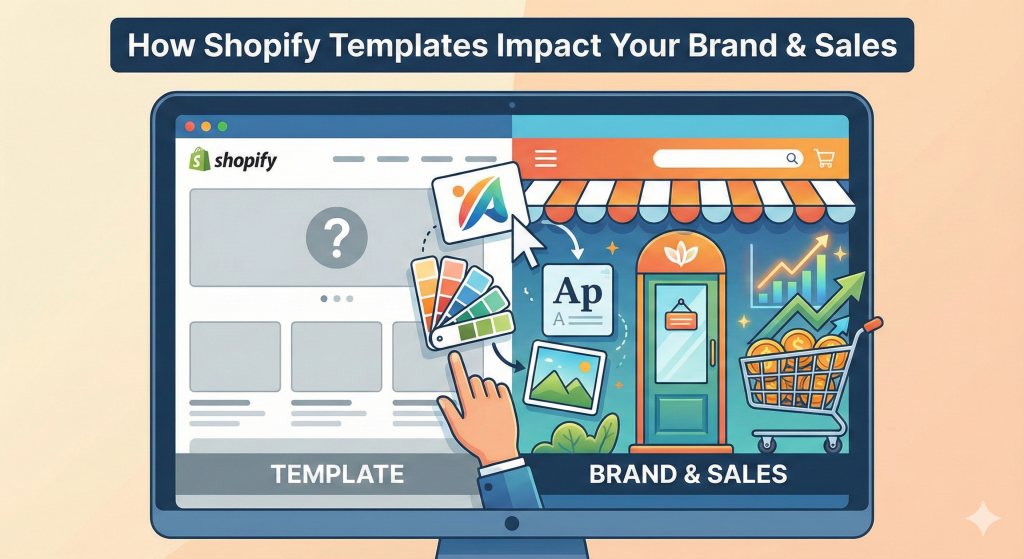
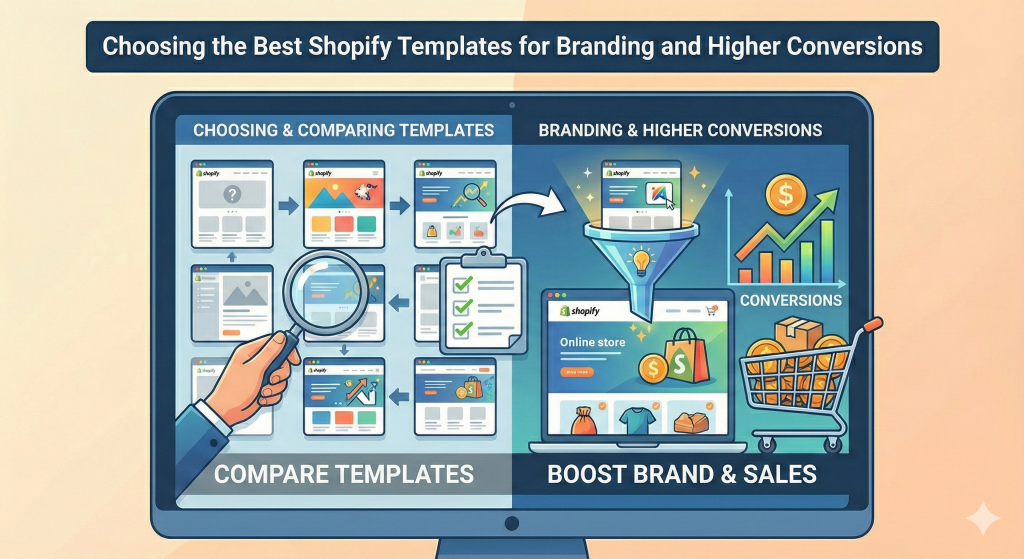
With thousands of themes available in the Shopify Theme Store and third-party marketplaces, selecting the right foundation for your online store can feel overwhelming. It is arguably one of the most significant decisions you will make for your eCommerce business. A template dictates not just how your store looks, but how it functions, how fast it loads, and how easily customers can make a purchase.
Unfortunately, many businesses choose a template based purely on aesthetics, only to find later that it lacks the functionality required to scale. They pick a design that looks beautiful in a demo but falls apart when actual products and content are added.
This is where expert guidance becomes invaluable. At SEO Tailor, we have been a designated Shopify Partner since 2018. We understand that a pretty website is useless if it doesn’t convert visitors into buyers. We help businesses cut through the noise to select and customise themes that align perfectly with their brand identity while driving sales.
What Makes a Good Shopify Template?
A high-quality Shopify template is more than just a collection of nice colours and fonts. It is a piece of software that needs to run efficiently. When evaluating potential themes, there are four critical technical factors to consider.
First, clean code is essential. A well-coded theme follows Shopify’s liquid programming standards, ensuring there are no unnecessary scripts slowing down the site. Fast load time is a direct result of this clean code. In eCommerce, speed is currency; a delay of even a few seconds can cause potential customers to bounce back to Google.
You also need a conversion-friendly layout. This means the path to purchase is obvious and unobstructed. Finally, a solid SEO structure ensures that search engines can easily crawl and index your site, helping you rank higher organically without needing to fight against your own website’s architecture.
Types of Shopify Templates
Not all templates are built for the same purpose. Choosing a theme that matches your catalogue size and business model is crucial for success.
- One-Product Templates: These are designed for focused, storytelling-based sales. They typically feature long-form homepages that guide the user through a narrative about a single hero product.
- Large Catalogue Templates: If you sell thousands of SKUs, you need a theme with robust filtering, search functionality, and mega-menus. These templates prioritise organisation and ease of navigation over heavy storytelling elements.
- Niche Templates: Some themes are built specifically for industries like fashion, electronics, or food. They often come with pre-built features relevant to that niche, such as size guides for clothing or ingredient tabs for food items.
- Custom-Built Templates: For established brands, an off-the-shelf theme might not be enough. Custom templates are built from scratch to meet exact specifications, offering complete freedom in design and functionality.
Shopify Templates and Brand Identity
Your website is your 24/7 salesperson and brand ambassador. The template you choose serves as the digital uniform for your business.
Colour schemes and fonts play a massive role in how your brand is perceived. A luxury brand might require a template that supports elegant, serif typography and plenty of white space, whereas a discount electronics store might need bold, punchy fonts and high-contrast colours.
Beyond the visuals, the layout flow dictates how you tell your brand story. Does the template allow for large, emotional imagery? Can you easily insert video content to demonstrate your products? Storytelling through design turns a transactional visit into an emotional connection, which is often the difference between a one-time buyer and a loyal customer.
Shopify Templates Built for Conversions
While branding draws people in, conversion optimisation ensures they check out. A theme built for conversions focuses on the psychology of the user.
Product image placement is paramount. High-converting themes often feature large, high-resolution galleries with zoom capabilities. CTA (Call to Action) positioning must be strategic; buttons like “Add to Cart” should be sticky (staying visible as you scroll) or placed prominently above the fold on mobile devices.
Trust signals are also vital. Does the template have dedicated sections for reviews, payment icons, or security badges near the checkout button? Finally, the Checkout UX (User Experience) must be seamless. While Shopify controls the final checkout steps, your theme controls the cart drawer or cart page. A smooth transition here prevents cart abandonment.
Why Shopify Partner Experience Matters
Shopify is a platform that constantly evolves. Features that were standard two years ago may be obsolete today. This is why working with an experienced partner is critical.
As a Shopify Partner since 2018, SEO Tailor has witnessed the platform’s evolution first-hand. We understand the nuances of theme architecture and how different updates affect store performance. We also have deep knowledge of app compatibility. Many merchants install apps that conflict with their theme, causing bugs or slowdowns. We know which apps play nicely with which templates, saving you hours of troubleshooting.
How SEO Tailor Optimizes Shopify Templates for Businesses
We don’t just install a theme; we engineer it to work for you. Our process involves a blend of technical skill and marketing insight.
- Custom Theme Tweaks: We modify the Liquid code to add features or change layouts that the default theme settings cannot handle.
- CRO Testing: We don’t guess what works. We use Conversion Rate Optimisation strategies to test different layouts and elements to see what actually drives sales.
- SEO Optimisation: We audit the theme to ensure heading tags, schema markup, and metadata are correctly implemented for maximum search visibility.
- Brand Consistency: We ensure that every pixel, from the footer to the checkout, aligns with your brand guidelines.
Red Flags When Selecting Shopify Templates
It is easy to get burned by a bad theme. Be wary of bloated themes that claim to do everything. Themes that come with “50+ pre-built layouts” often carry massive amounts of unused code that slows down your site.
Poor reviews are an obvious warning sign, but specifically look for complaints about lack of support. If a developer doesn’t update their theme or answer support tickets, you could be left with a broken site after a Shopify update. Finally, watch out for outdated code. If a theme hasn’t been updated in over six months, it may not support the latest Shopify 2.0 features.
How to Turn Any Shopify Template Into a High-Converting Store
Even if you are stuck with a less-than-ideal template, it is often possible to salvage it with the right expertise.
Layout restructuring can make a huge difference. By moving the “Add to Cart” button higher up the page or simplifying the navigation menu, you can improve usability immediately. Speed optimisation involves compressing images, minifying code, and removing unnecessary apps to make the site snap to life.
You can also improve brand storytelling by creating custom sections that highlight your unique selling points. Product page improvements, such as adding accordions for detailed specs or implementing video reviews, can also significantly boost conversion rates.
Let SEO Tailor Optimize Your Shopify Template
Your Shopify store has the potential to be a high-performance sales machine, but it requires the right technical setup. You don’t have to navigate the world of Liquid code and conversion strategy alone.
At SEO Tailor, we combine technical expertise with a deep understanding of eCommerce growth. As a Shopify Partner since 2018, we have the experience to transform your template into a bespoke branding asset that drives real revenue.
Ready to upgrade your store’s performance?
Contact SEO Tailor today for a consultation or theme audit.